
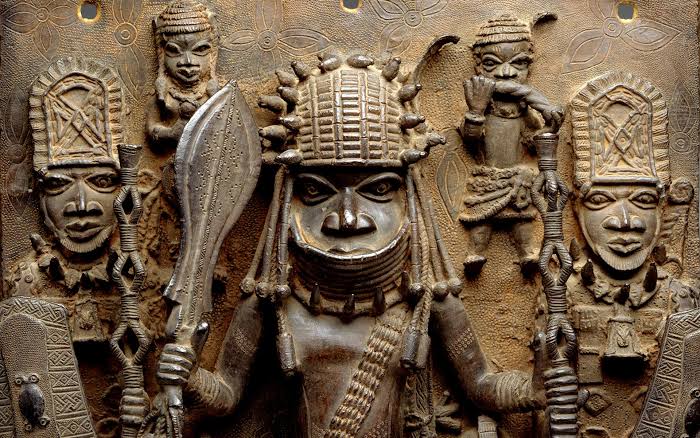
The United Nations Educational, Scientific and Cultural Organization (UNESCO) has expanded its landmark General History of Africa project with three new volumes aimed at updating the continent’s history and placing greater emphasis on African perspectives and the experiences of Africans and their diaspora.
The new volumes, IX, X and XI, build on the original eight-volume series launched in 1964 as newly independent African nations sought to document the continent’s history from perspectives less shaped by colonial interpretations.
UNESCO said more than 200 African and international experts contributed to the three new volumes, which draw on recent research in fields including archaeology, anthropology and the humanities.
Three New Volumes
Volume IX, titled General History of Africa Revisited, updates existing historical scholarship and incorporates newer research and approaches to African historiography.
Volume X, Africa and its Diasporas, examines the historical and cultural connections between Africa and communities of African descent around the world.
Volume XI, Global Africa Today, focuses on contemporary Africa and its global communities, addressing issues including identity, migration, gender, environmental challenges, urbanisation, globalisation and political change.
Together, the volumes promote what UNESCO describes as the concept of “Global Africa”, presenting the continent not only as an object of historical study but as an active participant in global political, economic and cultural developments.
Emphasis on African Voices
The project also gives greater attention to sources and perspectives that have historically received less prominence in conventional accounts of African history.
These include oral traditions, African languages, archaeology and research conducted by African scholars. Contributors to the project argue that understanding Africa’s past requires examining historical experiences from within African societies rather than relying predominantly on external accounts.
The Africa Report, which interviewed scholars involved in the project, described the development as an Afrocentric rethink of African history. The publication reported that more than 350 African and international scholars contributed to the broader three-volume project.
UNESCO’s own account says the wider General History of Africa project has involved more than 550 historians and specialists over six decades, under an International Scientific Committee with a two-thirds African membership.
From Books to Classrooms
UNESCO is also seeking to move the new historical material beyond academic circles and into schools.
The organisation has developed educational resources to support the integration of the General History of Africa into national curricula. UNESCO says the curriculum initiative is designed to provide renewed perspectives on African history and the contributions of African peoples and their diasporas to humanity.
The organisation has also launched the “African Heroes” educational video game, which uses interactive storytelling to introduce young people to figures and historical experiences from Africa and its diaspora.
The new volumes are available in several languages, including English, French and Portuguese, with UNESCO also highlighting translations into African languages such as Hausa and Kiswahili as part of efforts to make the material more accessible across the continent.
The expanded project represents the latest stage of UNESCO’s long-running effort to document African history through a broader range of African scholarship, sources and perspectives while connecting the continent’s past to its global diaspora.
Source: The Africa Report, with additional verification from UNESCO.

