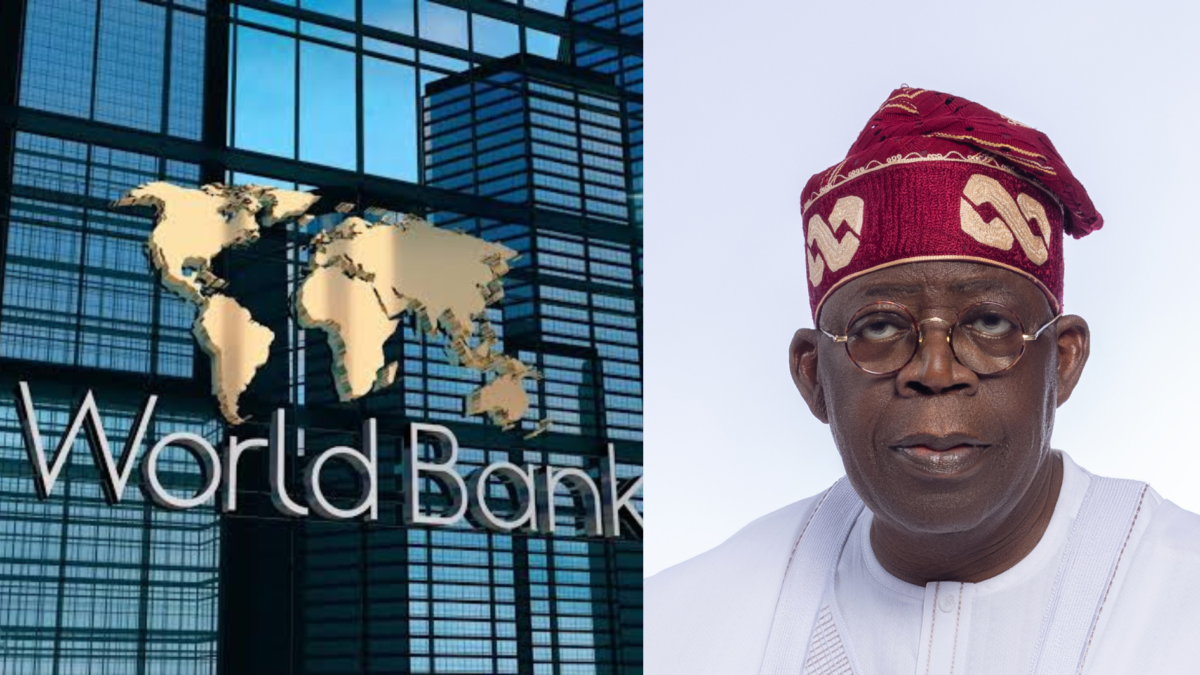
The Federal Government has challenged the World Bank’s assessment of Nigeria’s debt burden, rejecting its reported figure that interest payments consumed 124 per cent of federal revenue in the first half of 2026.
The World Bank’s latest Nigeria Development Update raised concerns over the country’s debt-servicing obligations after interest payments reportedly reached ₦7.7 trillion between January and June 2026.
However, the Federal Ministry of Finance argued that the assessment presented an incomplete picture of the country’s finances.
According to the ministry, the calculation included debt obligations serviced by the Federal Government on behalf of state governments, including external loans, while comparing the total against federal revenue alone.
The government also argued that the revenue figures excluded earnings by government agencies and enterprises that had not yet been remitted to the Treasury. It noted that certain taxes are collected predominantly in the second half of the year, making a six-month comparison potentially misleading.
The ministry reported that federal revenue increased by 72 per cent, from ₦3.6 trillion in the first half of 2025 to ₦6.2 trillion in the corresponding period of 2026. Interest payments rose by 38 per cent, from ₦5.6 trillion to ₦7.7 trillion.
Consequently, the government said the interest-to-revenue ratio declined from 156 per cent to 124 per cent over the period.
The ministry further cited the World Bank’s projection that Nigeria’s full-year 2026 debt service, covering both interest and principal repayments, would amount to 46 per cent of revenue.
The disagreement highlights the importance of distinguishing between interest payments and total debt servicing, as well as ensuring that revenue and debt figures cover comparable government obligations.