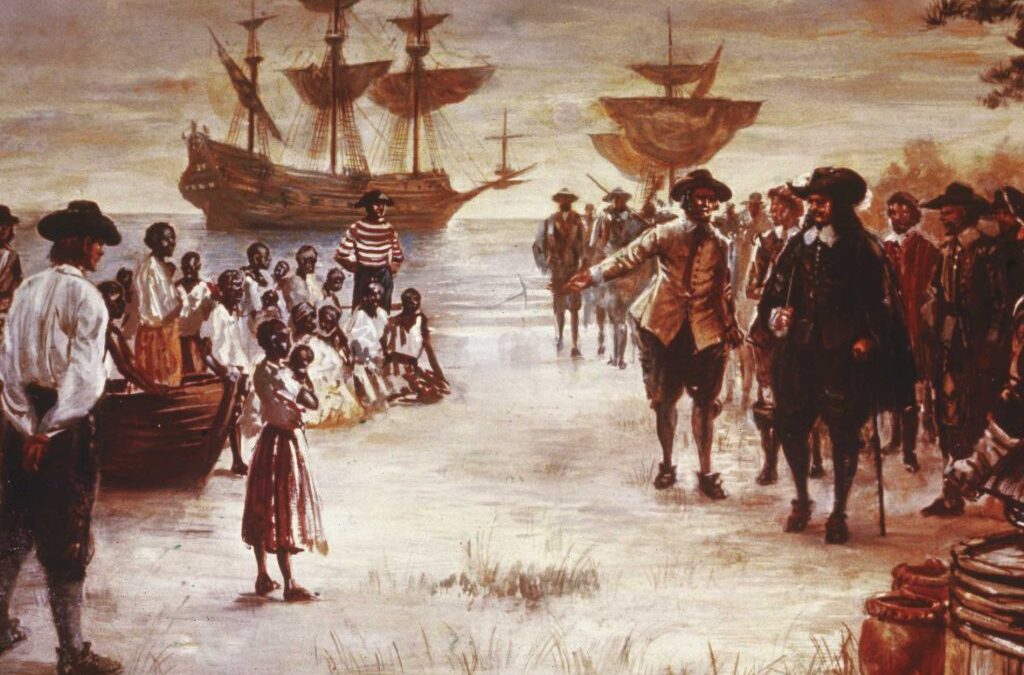
The United Kingdom has agreed to hold structured discussions with countries affected by the transatlantic slave trade over its historical consequences, following growing calls for recognition and reparatory justice from African and Caribbean nations.
The agreement was announced in a joint communiqué issued at the conclusion of the 2026 Commonwealth Heads of Government Meeting (CHOGM) in Antigua and Barbuda.
Commonwealth leaders welcomed Britain’s commitment to engage in what they described as structured, time-bound, inclusive and good-faith dialogue with affected countries and communities.
The discussions are expected to address the historical harms of the trafficking and enslavement of Africans, including the lasting social and economic consequences.
British Prime Minister Andy Burnham has expressed openness to a formal apology for Britain’s role in the slave trade, saying affected countries should help shape the process.
However, he has ruled out direct financial reparations, maintaining that people living today should not be held financially responsible for historical actions committed by previous generations.
Britain’s Foreign Secretary, Ed Miliband, indicated that the discussions could be concluded within approximately 12 months, although the precise timetable is yet to be agreed.
The development follows renewed demands from African and Caribbean leaders for Britain to acknowledge its historical role in the transatlantic slave trade and address its long-term effects.
King Charles III also addressed the issue during the Commonwealth summit, describing the slave trade as a shameful chapter in history and expressing profound sorrow over the suffering it caused.
While the UK has rejected direct compensation, it has proposed other forms of cooperation, including debt restructuring for developing Commonwealth countries. It also announced £40 million in support for infrastructure investment, including green energy projects in the Caribbean, over three years.
The agreement marks a new stage in discussions between Britain and countries seeking recognition and redress for the legacy of slavery. However, the question of what practical measures will emerge from the dialogue remains unresolved.