
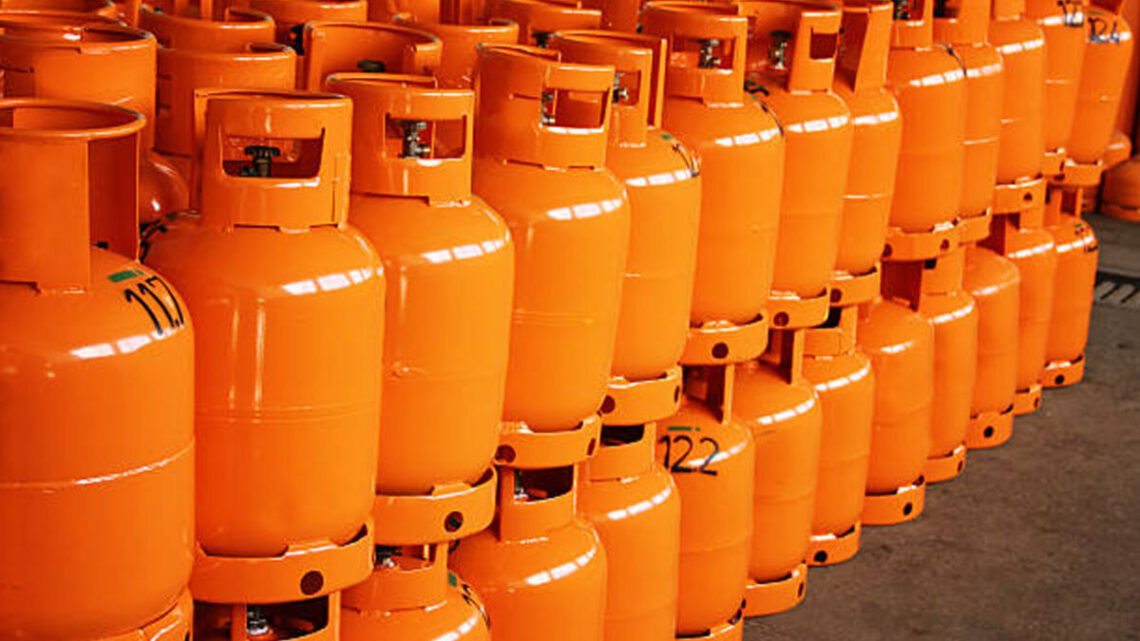
Nigeria’s domestic supply of liquefied petroleum gas (LPG), commonly known as cooking gas, increased by 17.78 per cent year-on-year to 4.5 million litres per day in September 2026, according to data from the Nigerian Midstream and Downstream Petroleum Regulatory Authority (NMDPRA).
The figure represents an increase from 3.7 million litres per day recorded in September 2025, reflecting improved domestic availability of the cooking fuel.
Supply also rose from approximately 3.375 million litres per day in August to 4.5 million litres in September, representing a month-on-month increase of 33.33 per cent.
However, the growth in supply has yet to translate into lower prices for consumers. Cooking gas prices increased to ₦1,400 per kilogramme in October from ₦1,300 in September, a rise of 7.14 per cent.
Former National President of the Nigerian Association of Liquefied Petroleum Gas Marketers, Oladapo Olatunbosun, attributed the increase in supply to improved local production but called for sustained investment and stronger government support to prevent shortages.
He urged authorities to encourage indigenous operators and major domestic producers, including Dangote Petroleum Refinery, to expand output and strengthen the country’s gas market.
Similarly, National President of the Oil and Gas Services Providers Association of Nigeria, Mazi Colman Obasi, said increased supply would benefit households only if it resulted in better access and more affordable prices.
Obasi cautioned that higher supply alone would not automatically reduce retail prices, pointing to transportation, distribution, logistics and foreign exchange movements as factors influencing the cost of cooking gas.
The latest figures highlight a key challenge for Nigeria’s energy sector: ensuring that rising domestic production translates into reliable supplies and affordable prices for households and businesses.