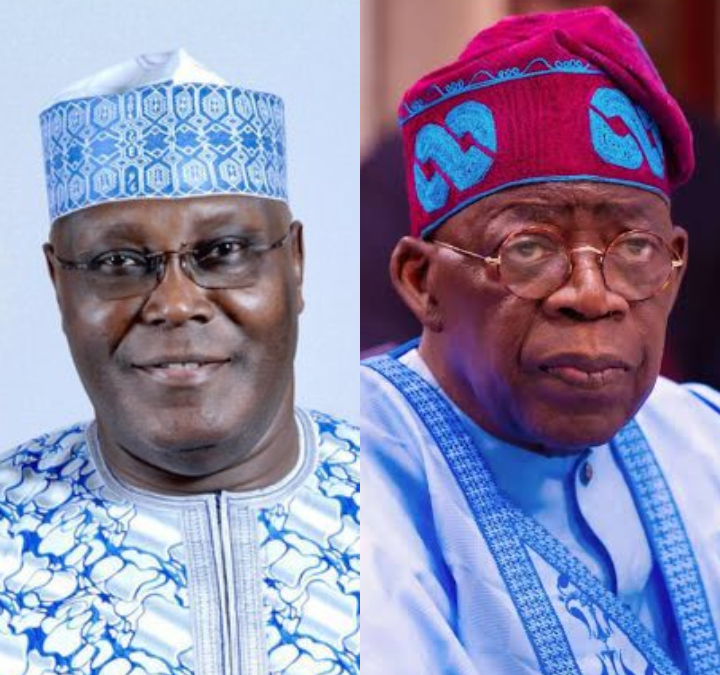
Former Vice President Atiku Abubakar has challenged President Bola Tinubu’s administration to explain how increased government revenues, savings from fuel subsidy removal and higher crude oil earnings have been spent before seeking additional financing through a proposed Vienna-listed bond.
Atiku said Nigerians deserve full disclosure of the government’s finances before any new borrowing arrangement is concluded.
In a statement issued by his Senior Special Assistant on Public Communication, Phrank Shaibu, the former vice president questioned why the government’s borrowing appetite continues to increase despite claims of improved revenues and substantial savings from the removal of fuel subsidies.
He also raised concerns about the impact of rising energy costs on Nigerian businesses, particularly manufacturers.
According to Atiku, diesel prices have risen to about N2,000 per litre or more in some industrial locations, while energy-related expenses now account for more than half of manufacturers’ operating costs.
He further cited figures showing that manufacturers spent about N1.34 trillion on alternative energy in 2025, with expenditure in the first half of 2026 already approaching that amount.
Atiku argued that the combination of high energy costs, expensive credit and increased government borrowing was putting additional pressure on businesses and consumers.
He questioned the rationale for seeking additional foreign financing when the government says its revenues have improved and the removal of petrol subsidies has generated significant savings.
The former vice president also demanded greater transparency over the proposed Vienna transaction involving ESME Limited, a special-purpose vehicle described as involving Nigerian public institutions and Austrian interests.
He said Nigerians should be told the amount the transaction is expected to raise, the interest rate, repayment period, currency involved and the extent of the Federal Government’s financial exposure.
Atiku also questioned whether the government would provide a sovereign guarantee or assume any contingent liabilities connected to the proposed arrangement.
He further raised concerns about reported domestic borrowing by the Federal Government. According to figures cited in his statement, federal domestic borrowing reached N24.7 trillion in the first eight months of 2026, compared with N12.98 trillion during the corresponding period of 2025.
Atiku said the development was difficult to reconcile with higher oil revenues and the government’s reported savings from subsidy removal.
He noted that the 2026 budget was based on an oil price benchmark of $64.85 per barrel and questioned why borrowing was increasing if oil earnings and government revenues were performing above expectations.
The former vice president called on the Tinubu administration to publish a comprehensive account of its revenues, expenditure, borrowing and liabilities before proceeding with additional financing.
He said Nigerians should be able to trace how increased revenues and subsidy savings have been utilised and understand the financial obligations being created in their name.
The Federal Government has not, in the reports reviewed, issued a response to Atiku’s latest criticism of the proposed Vienna-listed bond.
The controversy comes as the government continues to pursue additional financing while businesses and households grapple with high energy costs and broader economic pressures.