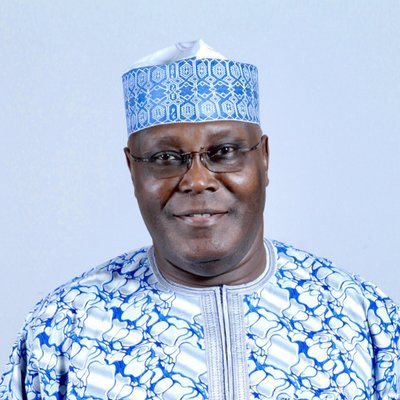
Former Vice President Atiku Abubakar has called on the Federal Government to publish the full details of Nigeria’s health cooperation agreement with the United States, saying Nigerians should be able to examine the commitments made under the deal.
Atiku made the demand following disclosures by Ghanaian President John Mahama that Ghana rejected a proposed US health compact after concerns were raised over medical records, pathogen information, funding obligations and the inspection of imported medicines.
In a statement issued by his Director of Strategic Communication, Phrank Shaibu, Atiku questioned whether similar provisions are contained in the agreement signed by Nigeria.
“At this point, Nigerians do not know whether the provisions Ghana rejected are in the agreement Tinubu signed,” Atiku said, according to the statement. He argued that the government should publish the document so Nigerians would not have to rely on speculation about its terms.
What the Nigeria-US Deal Contains
Nigeria and the United States signed a five-year health Memorandum of Understanding in December 2025.
According to the Federal Ministry of Health, the agreement covers disease surveillance, outbreak response, laboratory systems, biosafety procedures for the collection, transportation, testing, storage and disposal of pathogen samples, healthcare workers, health data systems and access to essential health commodities.
The agreement is scheduled to run from April 2026 to December 2030.
The Federal Government said the United States is expected to provide nearly $2 billion in grant funding over five years, while Nigeria has committed to increasing domestic health financing, with a target of allocating at least six per cent of executed annual Federal and State budgets to health.
The Nigerian contribution is projected to mobilise nearly $3 billion in domestic health financing, bringing the combined framework to about $5 billion.
Atiku Raises Data and Funding Questions
Atiku wants the government to release the complete Memorandum of Understanding, including related protocols, annexes, data-sharing arrangements, specimen-sharing agreements and financial commitments.
He also questioned what safeguards are in place to protect Nigerians’ medical information and pathogen samples, particularly if such materials or information could be accessed outside Nigeria.
The former vice president further asked whether Nigeria’s regulatory authorities would retain full powers to inspect medicines and medical products imported under the arrangement.
He also questioned how the Federal Government and state governments intend to meet their financial commitments under the agreement, particularly amid concerns over the implementation of previously approved health projects.
Government’s Position
The Federal Ministry of Health has presented the agreement as part of efforts to strengthen Nigeria’s health security and gradually increase domestic financing of the sector.
The ministry said the partnership is designed to improve the country’s ability to detect and respond to infectious diseases, strengthen primary healthcare and laboratory systems, and promote greater self-reliance in healthcare financing.
The government has not, however, publicly indicated that Nigeria’s agreement contains the same provisions that Ghana reportedly objected to.
Atiku’s demand for disclosure therefore centres on transparency and allowing Nigerians to examine the agreement themselves.