
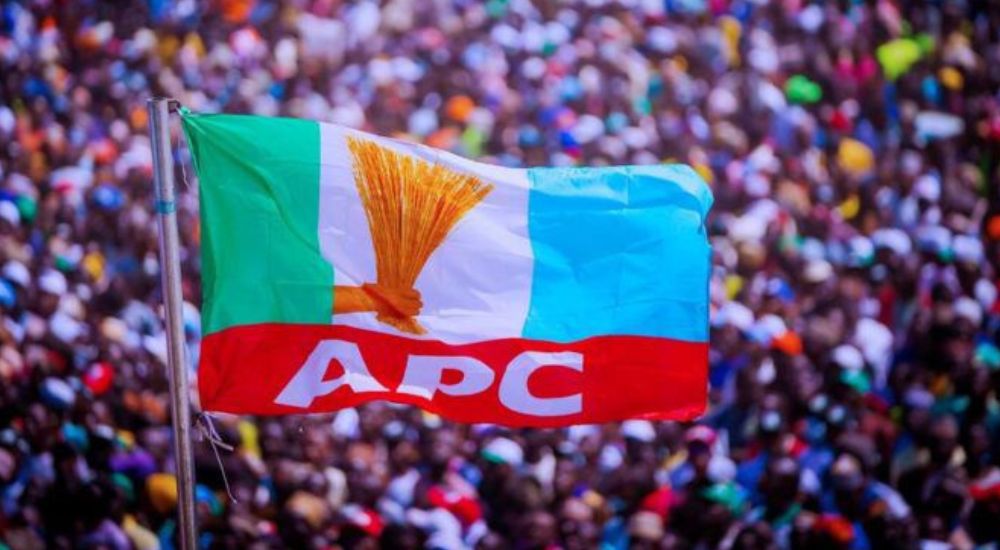
As Nigeria moves towards the 2027 general elections, changing political alliances and disagreements among opposition leaders are raising questions about the meaning and practical value of political unity.
In an analysis published by Channels Television, the broadcaster examines the growing cooperation among politicians across party lines, particularly the relationship between Federal Capital Territory Minister Nyesom Wike and members of the ruling All Progressives Congress, despite his association with the Peoples Democratic Party.
The analysis argues that such cross-party relationships raise questions about whether political parties are still driven primarily by shared policies and ideologies or increasingly by individual interests and negotiations for political power.
It also highlights divisions among opposition figures seeking to build a common front against President Bola Tinubu in 2027. While Atiku Abubakar is campaigning under the African Democratic Congress, Peter Obi and Rabiu Kwankwaso are associated with the Nigeria Democratic Congress.
Recent disagreements over who should lead a possible opposition alliance, including Kwankwaso’s reported call for Atiku to step aside in favour of Obi, illustrate the difficulty of translating calls for cooperation into a workable electoral arrangement.
The report also examines the G100 initiative involving six opposition parties, noting that discussions have produced proposed documents on democratic principles, policy priorities and the selection of a common presidential candidate. However, it says a binding agreement on a joint ticket had yet to be announced.
Beyond the question of presidential candidates, the analysis identifies organisational challenges facing opposition parties, including disagreements over campaign structures, state-level coordination and the distribution of responsibilities between party officials and candidates’ political associates.
It also considers the Tinubu administration’s campaign message, which focuses on economic reforms and reported improvements in public finances, against criticism that the benefits have yet to sufficiently ease the financial pressure on households.
On security, the analysis reports allegations by the ADC and NDC in Edo State that opposition members have faced intimidation and attacks. The allegations have not been independently established, and the report calls attention to the need for credible investigations and protection for political participants.
The central argument is that political unity should be measured not by public appearances or declarations of cooperation, but by the policies, agreements, accountability mechanisms and practical arrangements behind political alliances.
As the 2027 campaigns approach, voters will be looking for clearer explanations of what competing political groups intend to achieve and how their proposals would address the country’s challenges.


