September 2, 2026
The United States and Iran have exchanged their most intense military attacks in weeks, raising fresh fears that the conflict could spread further across the Middle East.
The latest escalation began after US forces carried out a new wave of strikes against Iranian targets, including military infrastructure along Iran’s southern coast. US officials said the operation targeted facilities linked to Iran’s Islamic Revolutionary Guard Corps, including radar, missile and maritime systems.
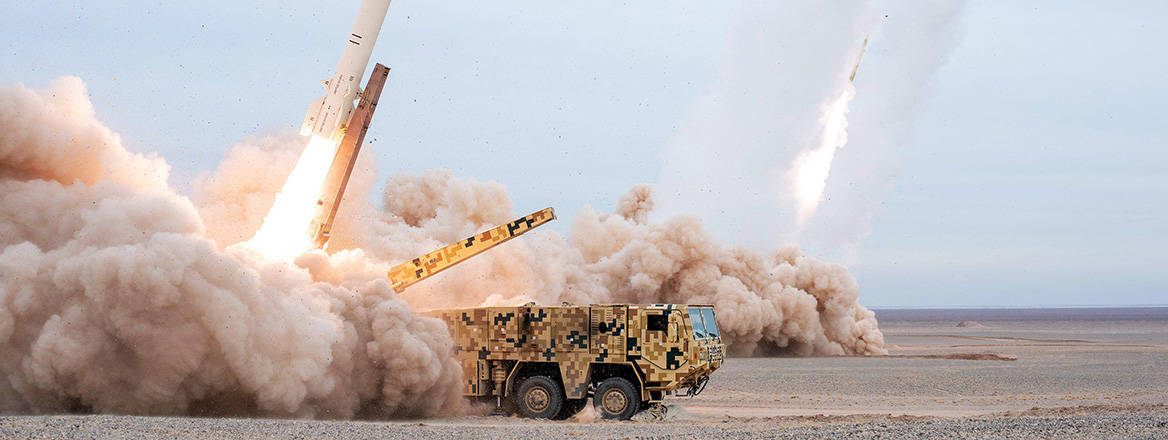
Iran responded with missile and drone attacks aimed at US military positions and installations in several countries across the region, including Kuwait, Bahrain, Jordan and Iraq.
Iran’s Revolutionary Guard claimed that its forces had struck American military sites, although some incoming missiles and drones were intercepted and the extent of damage remains contested. US officials, meanwhile, have disputed Iranian claims of American casualties.
Civilian casualties reported in southern Iran
One of the most serious developments from the latest US strikes was a reported attack in southern Iran.
Iranian officials said a strike hit a location in the Sirik area where a wedding celebration was taking place, killing civilians and leaving dozens injured. Al Jazeera reported that Iranian authorities said at least five people were killed, while other reports gave differing casualty figures.
The United States has maintained that its military operations are directed at Iranian military capabilities and has not acknowledged intentionally targeting civilians.
Tehran vows further retaliation
Iran has warned that the latest American attacks will not go unanswered, with its military signalling that it could launch further attacks against US forces and facilities in the region if Washington continues its operations.
The development has also increased pressure on countries hosting American military installations, particularly Gulf states that have become increasingly exposed to the confrontation between Washington and Tehran.
The renewed fighting comes after a period of relative calm between the two countries. The latest exchange is therefore being closely watched for signs that the conflict could develop into a wider regional confrontation.
Strait of Hormuz remains a major concern
The escalation is also threatening an already fragile situation around the Strait of Hormuz, one of the world’s most important routes for global oil shipments.
The confrontation has pushed oil prices higher and increased concerns over shipping and aviation across the Gulf region. Any prolonged disruption to the waterway could have consequences far beyond the Middle East, potentially affecting energy prices, transportation costs and global markets.
For now, both Washington and Tehran appear unwilling to back down, with each side portraying its latest military actions as a response to threats from the other.
With additional strikes still possible, the latest exchange has renewed international concern that the US-Iran confrontation could enter a significantly more dangerous phase.