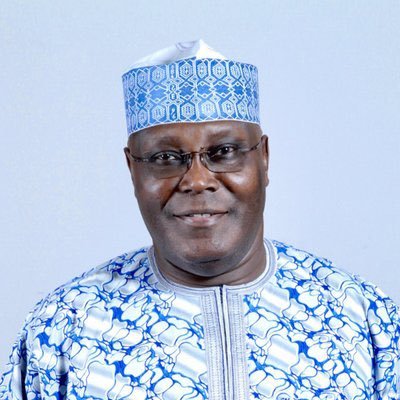
Presidential candidate of the African Democratic Congress (ADC), Atiku Abubakar, has promised to review the Nigerian Education Loan Fund (NELFUND) and introduce debt forgiveness for qualifying students if elected president in 2027.
Atiku’s position was communicated by his Senior Special Assistant on Public Communication, Phrank Shaibu, in a statement issued on Tuesday in response to comments by President Bola Tinubu defending the Federal Government’s student-loan programme.
According to Shaibu, Atiku believes that young Nigerians should not be forced to begin their working lives with substantial education debts.
He said an Atiku administration would focus first on reducing the underlying cost of education and would subsequently review the existing student-loan framework, with debt forgiveness proposed for students who meet the required conditions.
Atiku criticises government’s use of NELFUND
The former vice president also rejected the argument that the existence of NELFUND demonstrates that higher education has become more affordable for Nigerian families.
Shaibu argued that the government should not increase the cost of education and subsequently present loans as the solution for students struggling to meet those costs.
He described the approach as “witchcraft economics”, arguing that students should not be expected to borrow money simply to cope with rising education expenses.
Atiku’s camp maintained that a student loan should be regarded as a liability rather than evidence that education is affordable.
‘Education should open doors, not mortgage the future’
According to the statement, Atiku’s proposed approach would seek to make education more affordable at its foundation rather than relying primarily on loans to bridge the gap between tuition costs and household income.
“Education should open doors, not mortgage the future,” Shaibu said while outlining the former vice president’s position.
He added that the real measure of an effective education policy should be whether ordinary Nigerian families can keep their children in school without being forced to borrow simply to meet educational expenses.
Policy promise comes ahead of 2027 election
The pledge comes as political parties and presidential contenders begin positioning their economic and social policies ahead of Nigeria’s 2027 general elections.
Atiku’s proposal places the cost of higher education and student indebtedness at the centre of his criticism of the Tinubu administration’s education financing policy.
However, the proposed debt forgiveness would be subject to a review of the existing NELFUND system and would apply to qualifying students, according to the statement from his campaign.
NELFUND was established to provide financial support to eligible Nigerian students pursuing tertiary education. The current political debate is therefore shifting beyond access to student loans to the broader question of whether Nigerian students should have to rely on debt to obtain higher education.
For students and families struggling with the rising cost of education, Atiku’s proposal could become a significant issue in the political debate ahead of the 2027 presidential election.